Zinc alloys, typically composed of zinc combined with elements like aluminum, copper, and magnesium, offer a unique blend of properties such as high fluidity, excellent dimensional stability, and low melting points. These characteristics make them ideal for die casting—a process where molten metal is injected into molds to create complex shapes with tight tolerances. The result is lightweight yet robust components that are cost-effective and widely used in everyday products. From automotive to consumer goods, zinc alloy die casting parts have become indispensable, driven by advancements in manufacturing techniques and the expertise of zinc alloy die casting parts manufacturers.
What Is Zinc Alloy Die Casting?
Zinc alloy die casting is a manufacturing process that involves forcing molten zinc alloy into steel molds under high pressure. This method allows for the production of intricate, net-shaped parts with smooth surfaces, minimal machining requirements, and high repeatability. Compared to other materials like plastic or steel, zinc alloys provide superior durability, electrical conductivity, and aesthetic appeal through plating or painting. The process is favored for its efficiency, making it a go-to for industries requiring mass production of precision components. Key players in this field, such as zinc alloy die casting parts manufacturers, leverage this technology to meet diverse market demands.
Common Components and Parts Made from Zinc Alloys
Zinc alloys are utilized in a wide array of components due to their adaptability and performance. Here’s a breakdown of common parts, emphasizing sectors like construction and home fixtures .
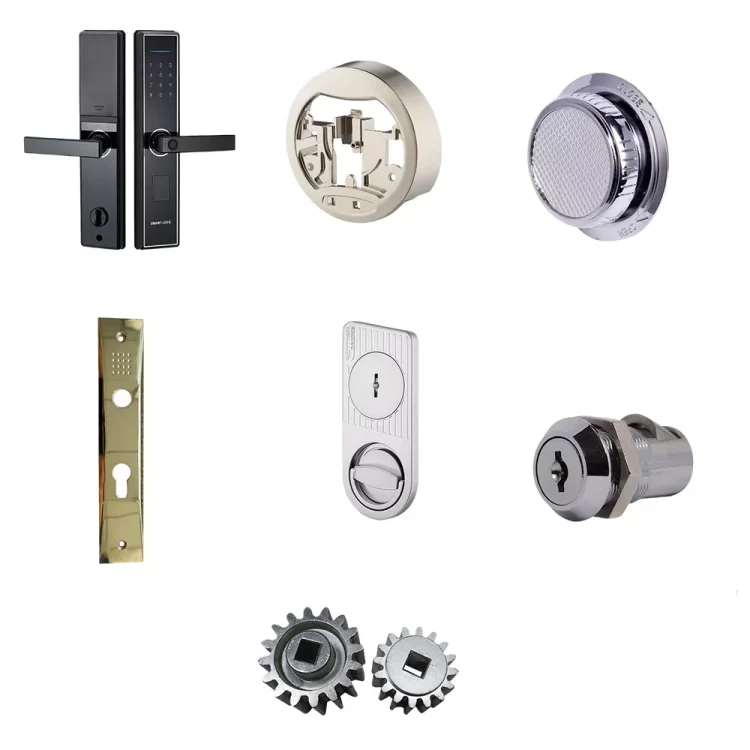
Zinc alloy-door lock
1. Zinc Alloy Die Casting Parts in Automotive and Electronics
In the automotive industry, zinc alloys are used for parts like brackets, housings, and connectors, thanks to their shock absorption and corrosion resistance. Similarly, in electronics, they form casings for devices, heat sinks, and shielding components, ensuring longevity and reliability. These applications highlight the precision achievable through zinc alloy die casting, a specialty of leading zinc alloy die casting parts manufacturers who cater to high-tech sectors.
2. Door and Window Fittings
Door and window fittings are prime examples of zinc alloy applications in construction and home improvement. These include handles, locks, hinges, and latches, which benefit from the alloy’s strength and aesthetic flexibility. Zinc alloy die casting parts for doors and windows offer enhanced security, smooth operation, and resistance to weathering, making them a preferred choice in residential and commercial buildings. Manufacturers often customize these fittings to meet design and functional needs, showcasing the versatility of zinc alloys in enhancing architectural elements.
3. Bathroom Fittings
Bathroom fittings, such as faucets, showerheads, towel racks, and drain covers, frequently rely on zinc alloys for their durability and water resistance. The die casting process allows for intricate designs in items like decorative taps or robust valve bodies, combining style with functionality. By using zinc alloy die casting parts, producers ensure these fixtures withstand humid environments and daily use, contributing to long-lasting bathroom solutions. This segment underscores the importance of collaborating with experienced zinc alloy die casting parts manufacturers for quality assurance.
4. Other Industrial and Consumer Applications
Beyond fittings, zinc alloys are found in hardware tools, medical equipment, and toy components. Their ability to be molded into detailed shapes supports innovation across fields, from aerospace to household goods. The consistency provided by zinc alloy die casting parts makes them a staple in mass-produced items, driven by efficient manufacturing chains.
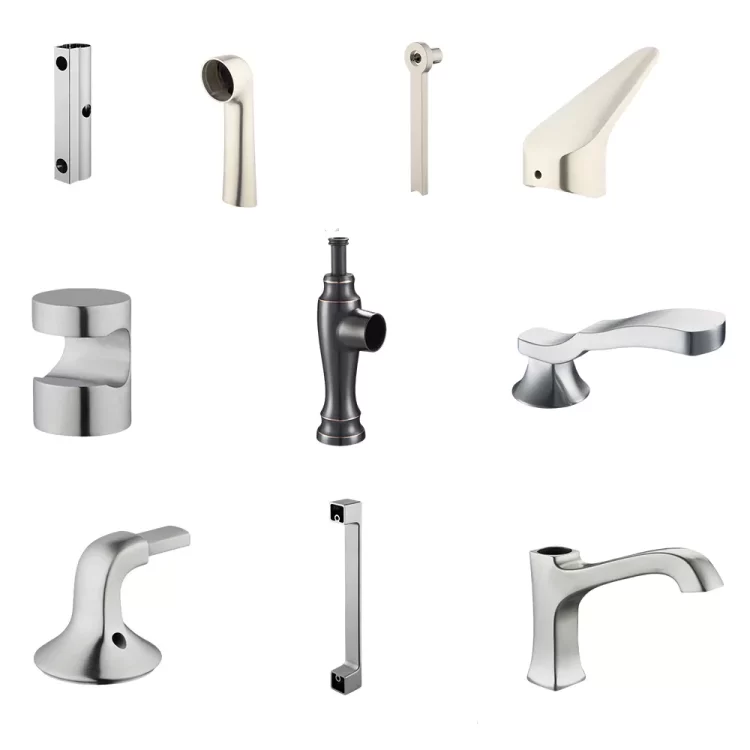
Zinc-sanitary parts
The Role of Zinc Alloy Die Casting Parts Manufacturers
Zinc alloy die casting parts manufacturers play a crucial role in bringing these components to life. They employ advanced technologies like computer-aided design (CAD) and automated casting systems to produce parts that meet strict specifications. When selecting a manufacturer, factors to consider include their expertise in material science, quality control measures (e.g., ISO certifications), and ability to handle custom orders. Top manufacturers often offer services from prototyping to finishing, ensuring parts like door and window fittings or bathroom fittings are optimized for performance and aesthetics. By partnering with reliable zinc alloy die casting parts manufacturers, businesses can leverage cost savings and innovation.
Advantages of Zinc Alloy Die Casting Parts
Choosing zinc alloy die casting parts offers numerous benefits:
-
Precision and Complexity: Enables intricate designs with thin walls and fine details.
-
Durability: High tensile strength and corrosion resistance extend product life.
-
Cost-Effectiveness: Low waste and fast production cycles reduce costs.
-
Aesthetic Versatility: Easily plated or painted for appealing finishes.
-
Sustainability: Zinc alloys are recyclable, supporting eco-friendly initiatives.
These advantages explain why industries from construction to electronics rely on zinc alloys, with manufacturers continually refining processes.
Conclusion and Recommendations
Zinc alloys are integral to producing common components and parts, including door and window fittings, bathroom fittings, and various industrial items. Their success hinges on the zinc alloy die casting process and the expertise of zinc alloy die casting parts manufacturers, who ensure quality and innovation. As demand for durable, precise, and attractive parts grows, zinc alloys remain a top material choice.
For businesses or individuals seeking components, I recommend researching reputable zinc alloy die casting parts manufacturers—look for those with proven track records, customer reviews, and comprehensive services. By doing so, you can harness the full potential of zinc alloys for your projects. If you have questions or need further guidance, feel free to explore more resources or contact industry experts.